3 years in textile manufacturing: a PM’s perspective
Three years inside a vertically integrated textile manufacturer, working between R&D engineers, brand partners, and factory teams across Taiwan, China, and Vietnam.
My job was to make sure ideas became products and that everyone involved understood what that required.
Overview
I joined Far Eastern New Century's Innovation Direct to Market (IDM) team in 2019.
IDM acts as a bridge between internal R&D and international sportswear brands - developing products together rather than simply selling materials. My role covered three areas: product development coordination, international exhibition organization, and supply chain alignment across FENC's vertically integrated operations. Most projects are under NDA. What I can share is how I worked.
Brand Partners:
Nike- Performance fabric development
Lululemon- Technical knit, sustainable textiles
Adidas- Recycled fiber innovation
The North Face- Outdoor performance materials
Goal
Turn brand briefs into manufacturable products - coordinating across R&D, engineering, production, and brand teams while keeping timelines, quality standards, and sustainability commitments aligned.
Role & Responsibilities
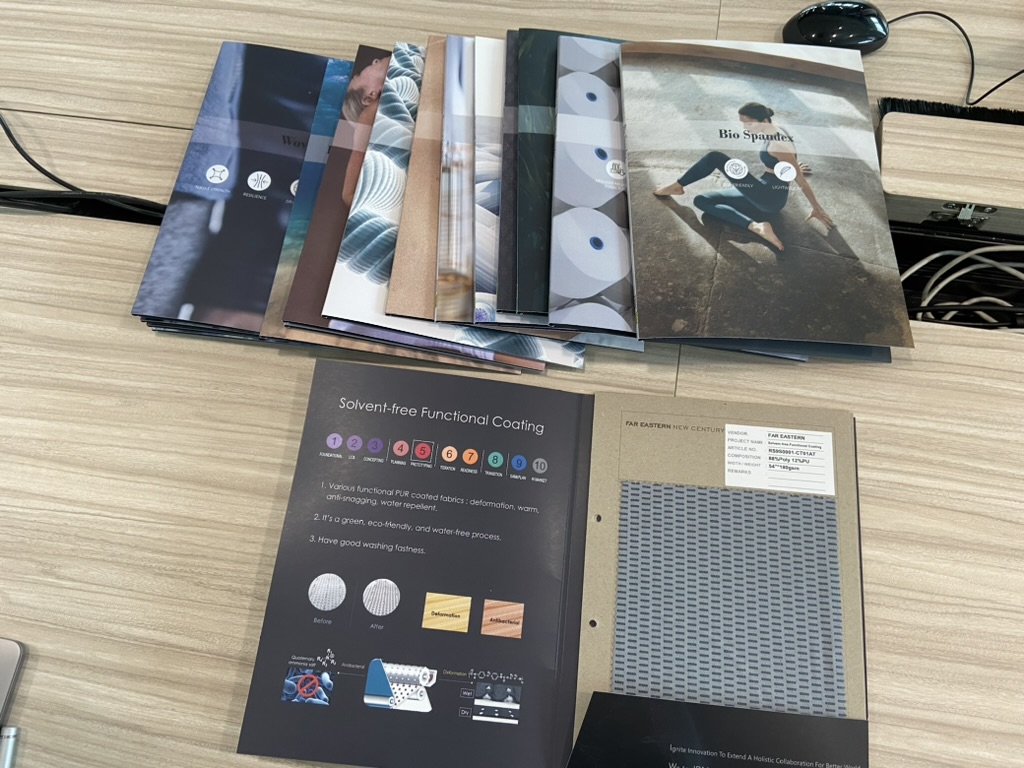
1. Product Development Management
Received development requests from brand partners and coordinated with R&D, engineering, and production to move materials from concept to sample to mass production.
Created technical illustrations and short videos to improve communication across teams and support leadership presentations.
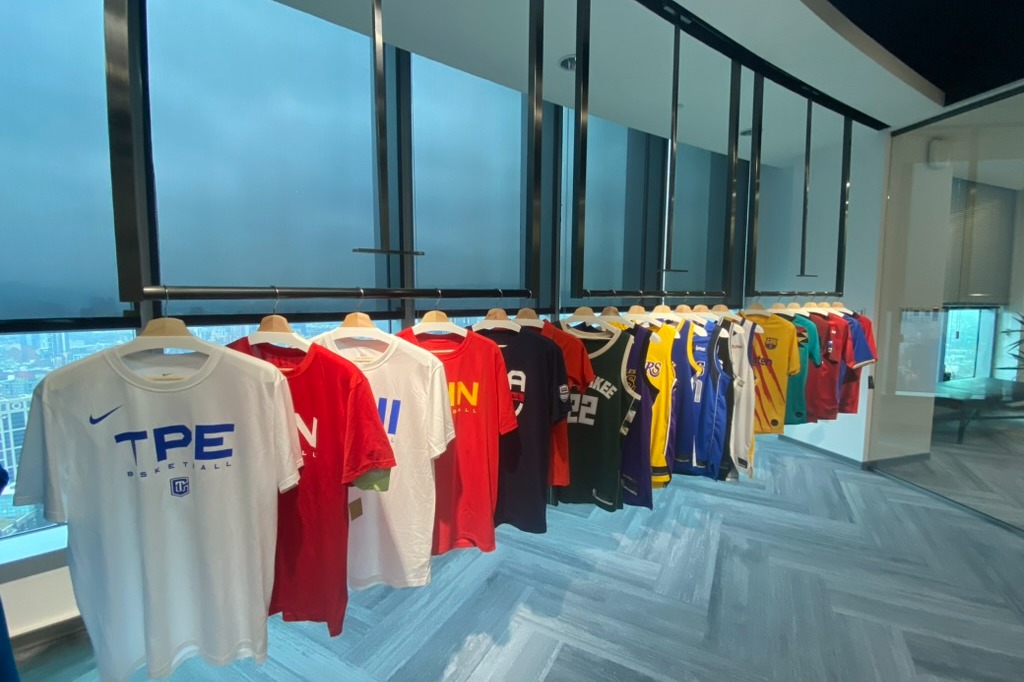
2. International Exhibition Organization
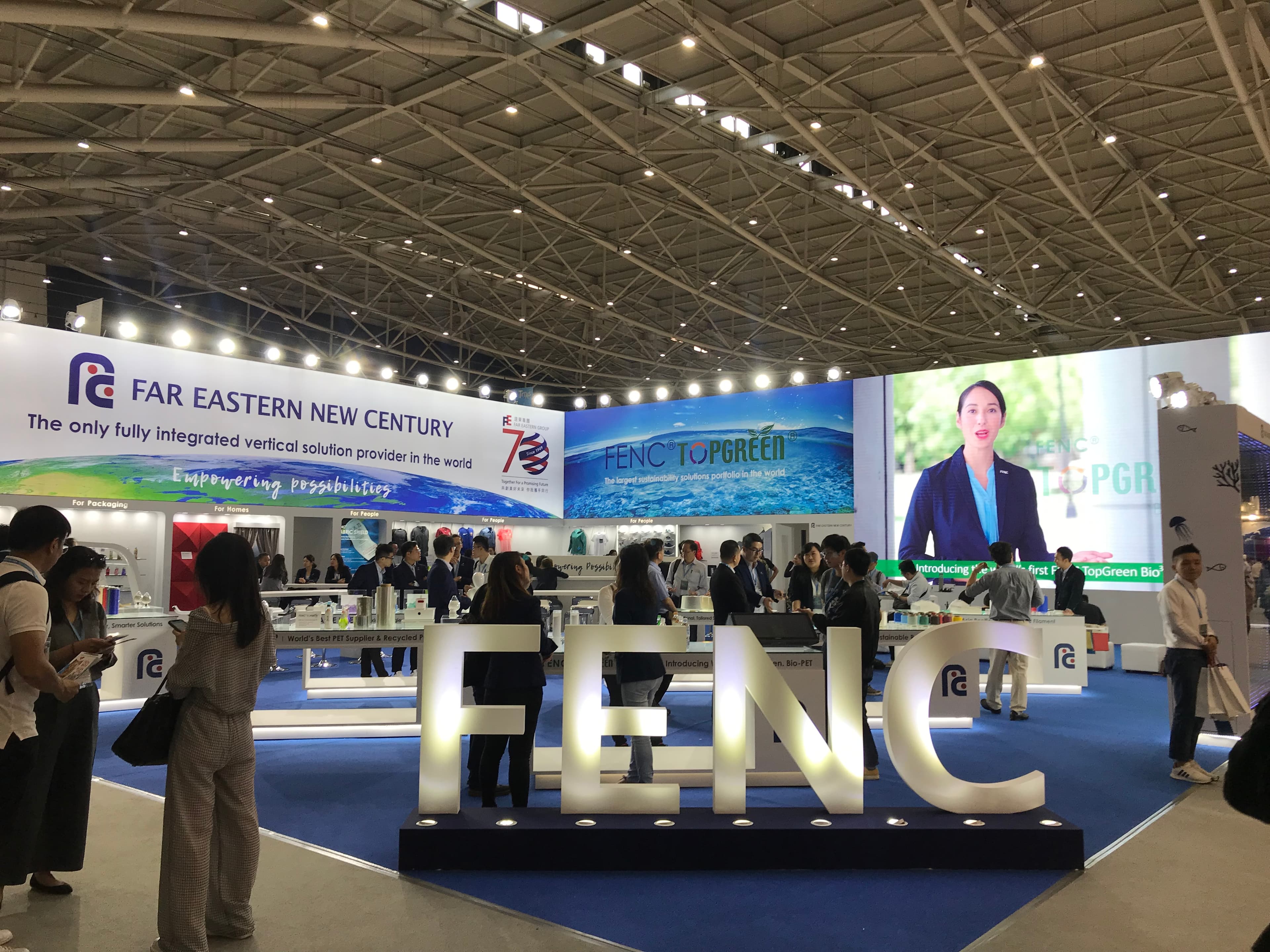
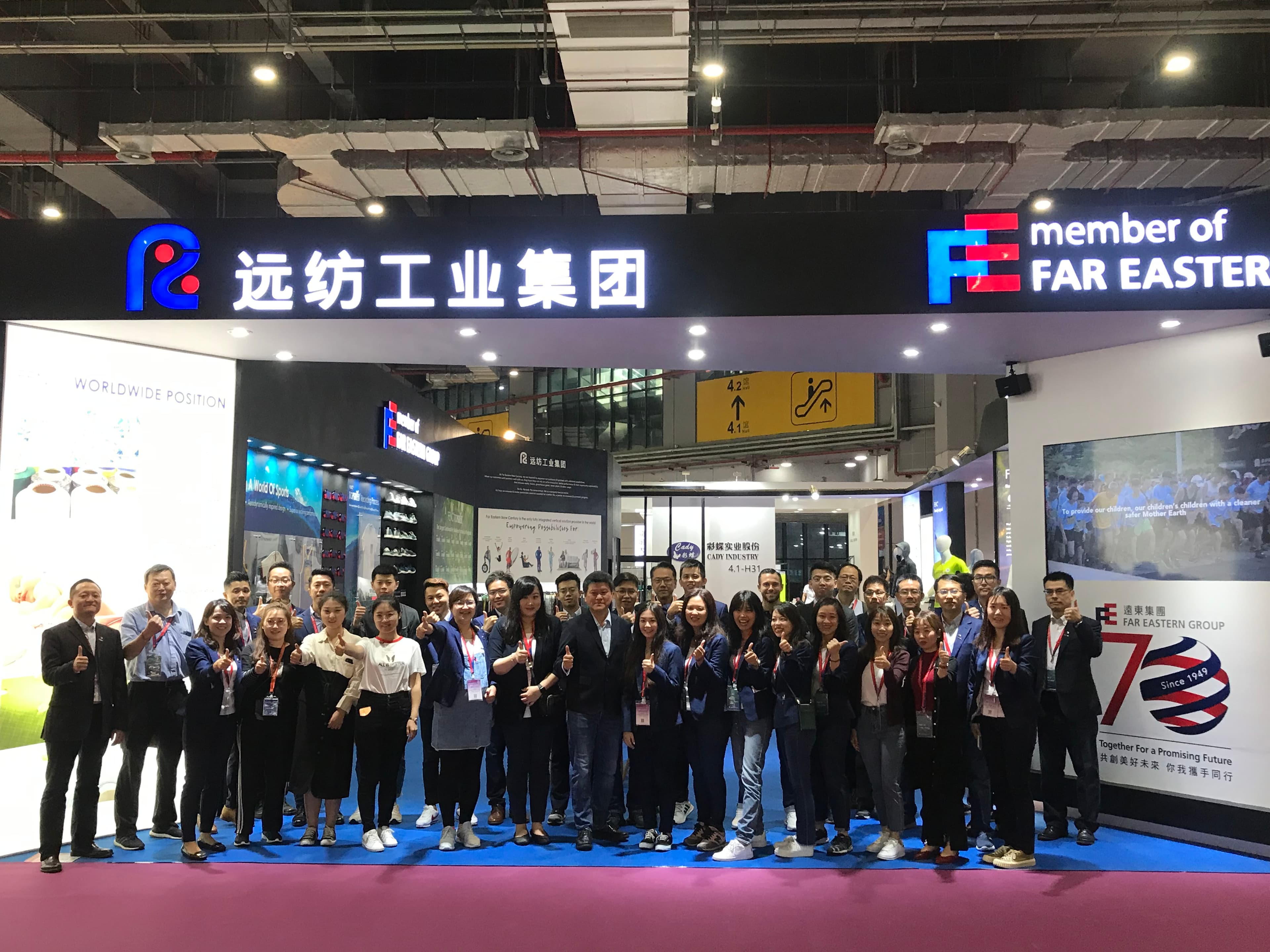
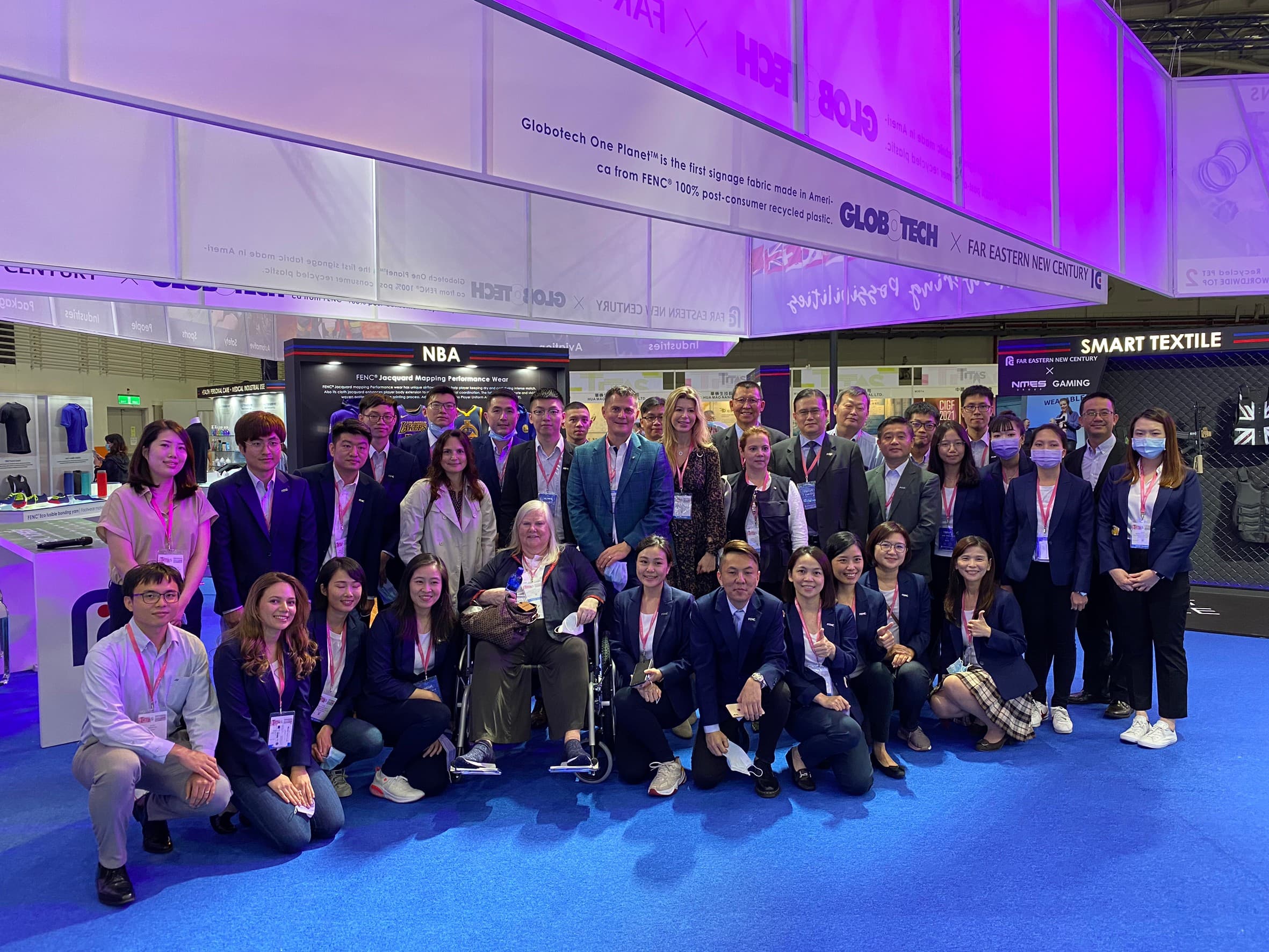
Led booth planning, sample preparation, and brand meetings at TITAS Taipei and Intertextile Shanghai, two of the most important annual opportunities for presenting new materials to global brands.
3. Vertical Integration Coordination
FENC operates across fiber, yarn, fabric, dyeing, and garment stages. My role was to connect these layers and present them as a coherent solution to brand partners — coordinating constantly across suppliers, mills, and factories in three countries.
Problem
Communication gaps between engineers and brands
Lab results frequently didn't match brand briefs, causing misaligned expectations across development cycles.
PM Action: Established a structured feedback loop- after each sample review, consolidated brand feedback into a FACA (Failure Analysis Correction Action) report and reiterated production goals before the next trial. Prevented the same misalignment from recurring.
Supply chain delays across borders
Raw material delays in one country created cascading stalls across the full cross-border production chain.
PM Action: Maintained parallel contingency sourcing options. When delays hit, identified alternative suppliers or negotiated inter-factory borrowing to keep lead times on track without restarting the cycle.
Unclear ownership between departments
Conflicting priorities between upstream raw material teams and downstream garment manufacturing slowed decisions and created ambiguity.
PM Action: Reframed conflicts around shared goals and facilitated alignment sessions. Consulted engineers proactively before trials to surface constraints early and reduce last-minute surprises.
Process & Solution
01
Requirement Interpretation
Brand partners often started with broad goals- "more sustainable," "better performance," "lighter."
My job was to translate these into technical specifications engineers could act on, while helping brand teams understand what was realistically achievable.
02
R&D Coordination
Our team included PhD-level engineers focused on fiber structure, yarn construction, and dyeing. Brand developers focused on feel, performance, and timelines. I worked between these perspectives, helping both sides understand each other.
03
Sample Management to Production
From first prototype to final approval, a material could go through many iterations. Each round required coordinating schedules, managing logistics, collecting feedback, and updating specs. We used TRL 1–10 as a shared language- most of my hands-on work concentrated at TRL 5, where communication gaps most commonly derailed timelines.
Technology Readiness Level (TRL)
During development process, we used TRL (Technology Readiness Level) to assess the project's progress.
Workflow in Development Stage (TRL 5)
outlining tasks
- ! Lack of clear communicationNeed to communicate multiple times when issues arise
- ! Conflicting prioritiesIdentify core issue & consider multiple perspectives
- ! Unclear goalsConsult professionals/engineers for advice before trial
Material tracking
ensure availability
- ! Raw material delayFind alternative methods or borrow material
- ! Logistics issuesAllocate factory resources or provide alternative solutions
and feedback
- ! Manufacturing issuesRequest "FACA Report", arrange meetings to find pain points
- ! Misaligned with engineer teamReiterate key points before production, confirm goals
achievement
ready2submit
Impact & Metrics
ISPO Textrends Best Product & Top Ten
Recognized among 200+ global material suppliers competing for the same awards- the most significant industry recognition in performance textile innovation.
Two international exhibitions organized
Led full booth operations at TITAS Taipei and Intertextile Shanghai, coordinating internal teams and hosting brand meetings across both events.
Cross-border development coordination
Managed active development projects spanning Taiwan, China, and Vietnam simultaneously, with a core team of 7+ engineers and PhD researchers.
Outcome
Products that reached the market
Coordinated multiple materials through the full development cycle- from brand brief to production approval- across Nike, Lululemon, Adidas, and The North Face projects.
A foundation for what came next
Three years inside a complex manufacturing system trained me to stay clear-headed when information is fragmented and goals are still forming. Moving between technical language and business language and helping teams move in the same direction- is the skill I carried into digital product work.
Behind the Scenes


Personal Reflection
What three years in textile manufacturing taught me
Working inside the supply chain gave me a different perspective on sustainability.
Brands often make ambitious commitments, but implementing those goals across manufacturing systems is much harder.
Data is difficult to track. Standards vary between regions. Factories have different capabilities.
It’s not that people don’t care, it’s that the systems needed to make sustainability work at scale are still evolving.
What I took with me
Working in a complex manufacturing environment trained me to stay clear-headed when information is fragmented and goals are still forming.
I learned how to move between technical language and business language, and how to help teams move in the same direction.
These skills are not limited to one industry. They are the foundation I carry from textile manufacturing into digital product work.